
Agriculture
A Bee Sting, Not a Missed Harvest Window
At a glance
- Injury:
- Bee sting to the forearm, starting to swell
- Care provided:
- Assessment, removal of the stinger, appropriate cleaning of the area, cold therapy, an anti-sting and itch treatment, and a dressing
- Outcome:
- Managed with first aid; employee continued working with minimal disruption.
The situation
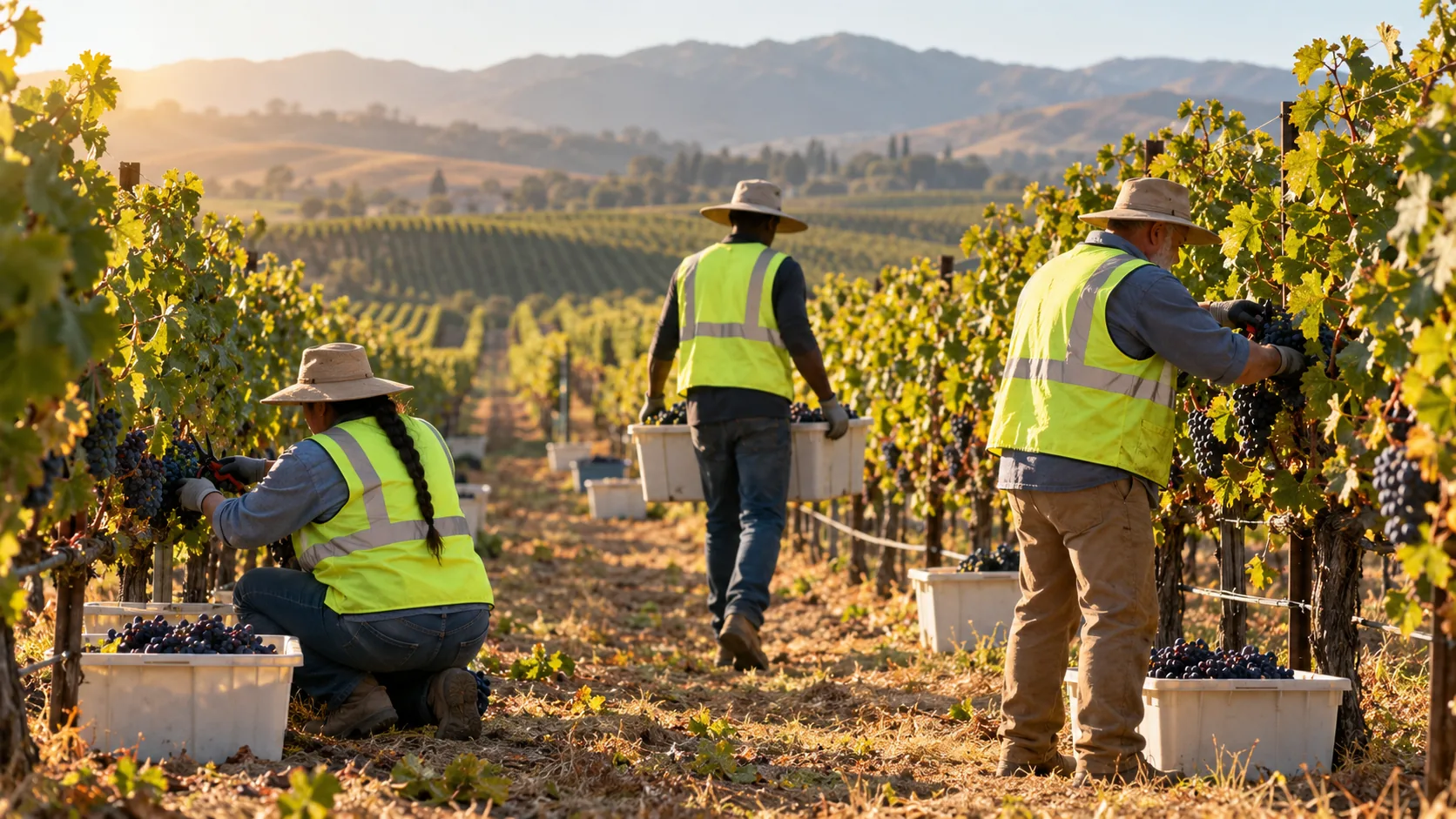
An employee was hand-harvesting grapes during an early-morning harvest when a bee stung them on the forearm. The stinger was still in the skin, and the area was starting to swell. A coworker offered to pinch the stinger out with their fingers, a common instinct, but squeezing a stinger can push more venom into the skin.
The response
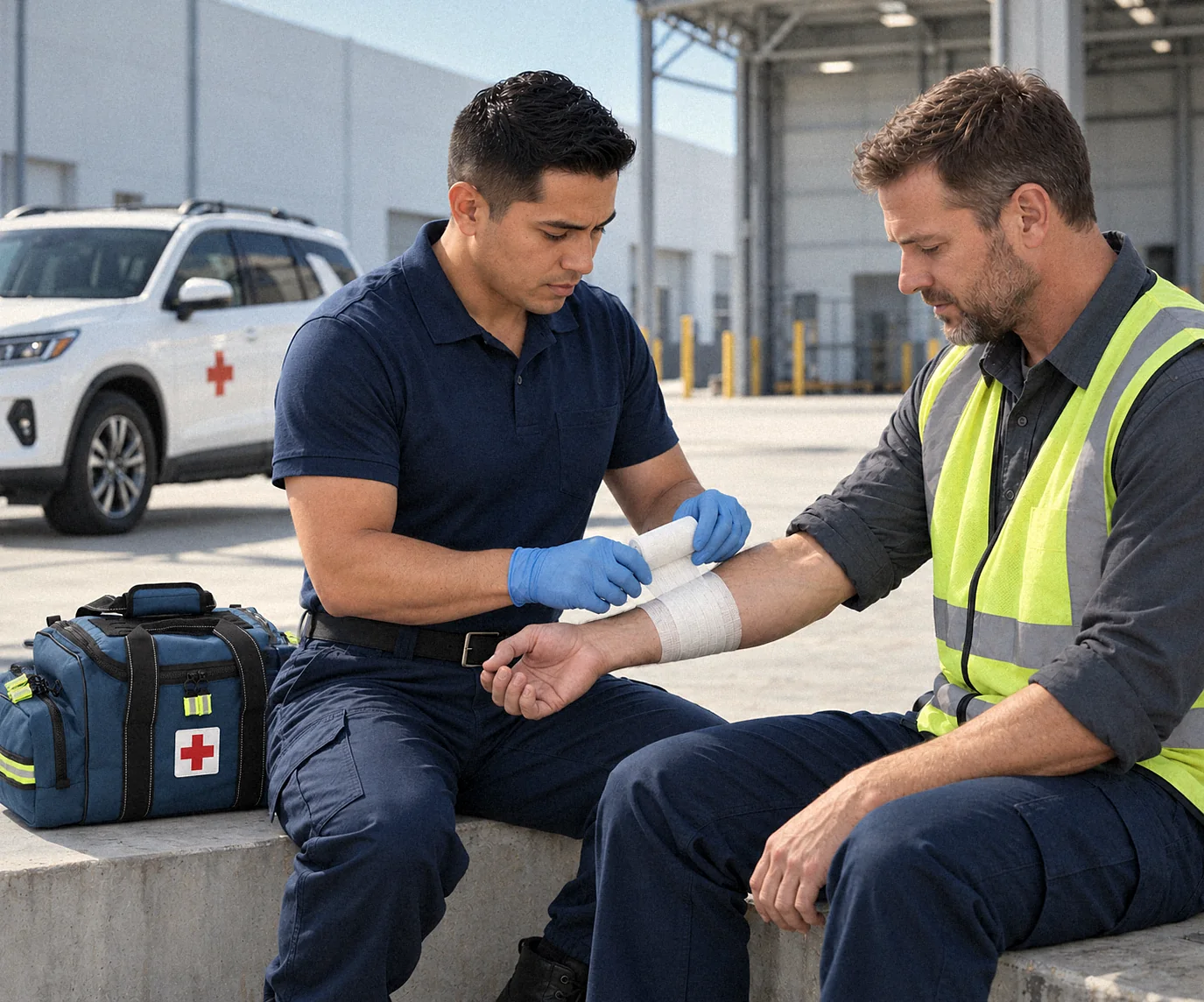
The technician assessed the employee, asked about any known allergies, and checked for signs of an allergic reaction beyond the sting site, like hives, swelling of the face or lips, or trouble breathing. They removed the stinger by scraping it out with the edge of a flat card, appropriately cleaned the area, started cold therapy with a barrier between the cold and the skin, then applied an anti-sting and itch treatment and a dressing. The technician then stayed with the employee for a period to watch for any signs of a delayed reaction.
The outcome
The injury was managed with first aid on the worksite. At the employer's direction, the employee continued working, and the crew finished picking the block before the afternoon heat. No one had to leave the worksite.
Why it mattered
The employee received appropriate care right where they were, and the harvest stayed on schedule. Instead of a drive to an off-site facility and a possible lengthy wait, the injury was managed with first aid on the worksite.
This is a composite scenario based on the types of calls first-aid technicians handle. Details have been changed and don't describe any specific person or company. Every injury is different.