Mining
A Smashed Finger, Not a Shutdown at the Plant
At a glance
- Injury:
- Finger pinched during equipment maintenance, with painful pressure building under the nail
- Care provided:
- Assessment, appropriate cleaning of the finger, drilling of the fingernail to relieve pressure, a sterile dressing, and cold therapy
- Outcome:
- Managed with first aid; employee continued working with minimal disruption.
The situation
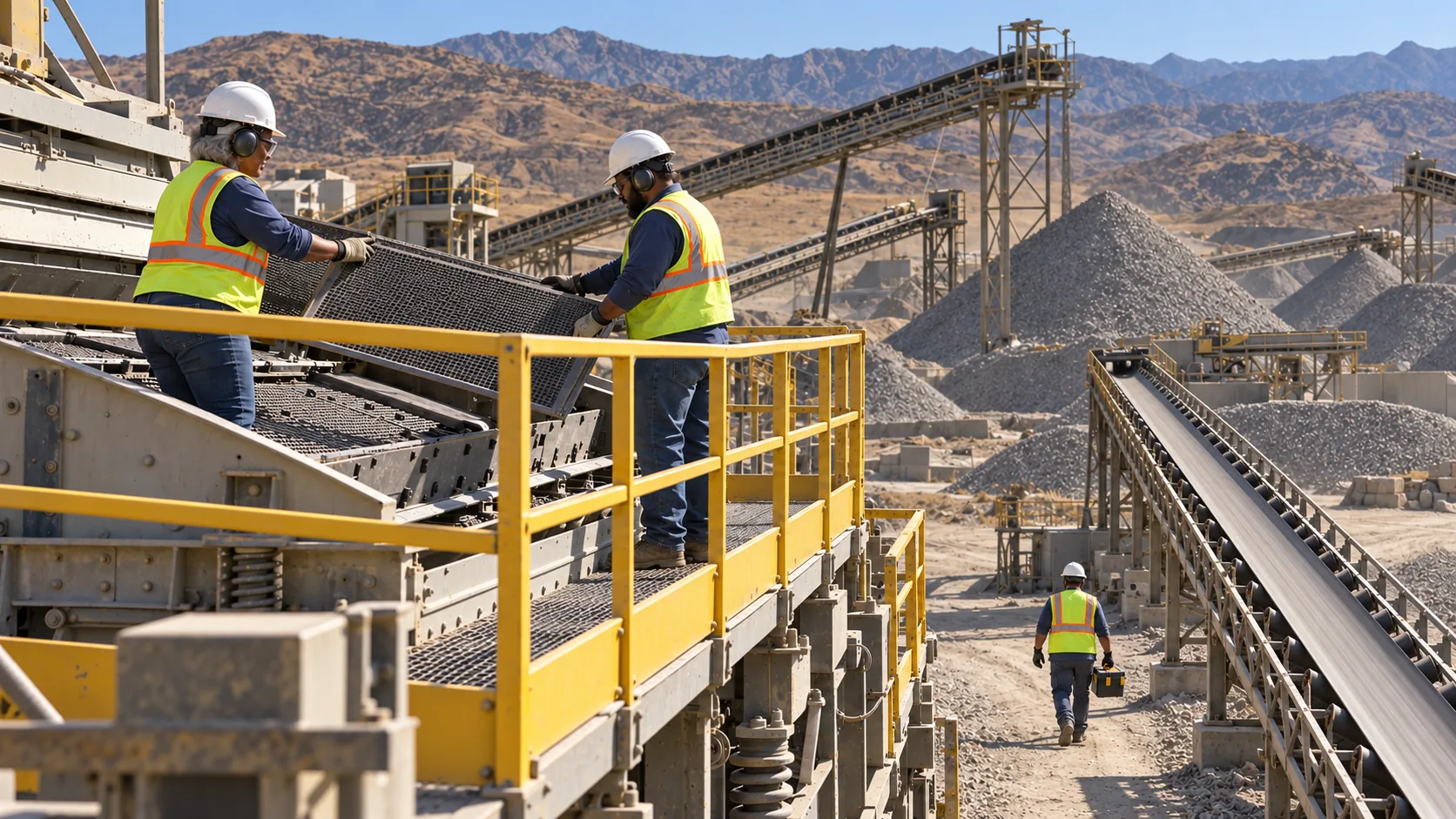
An employee at a surface aggregate mine was helping change a worn screen panel during a scheduled maintenance window when the panel shifted and pinched their finger against the frame. Within minutes, blood had pooled under the nail, and the finger was throbbing with pressure. A coworker suggested heating a paperclip with a lighter and pushing it through the nail, a common instinct, but it can burn the skin and introduce dirt into the wound.
The response
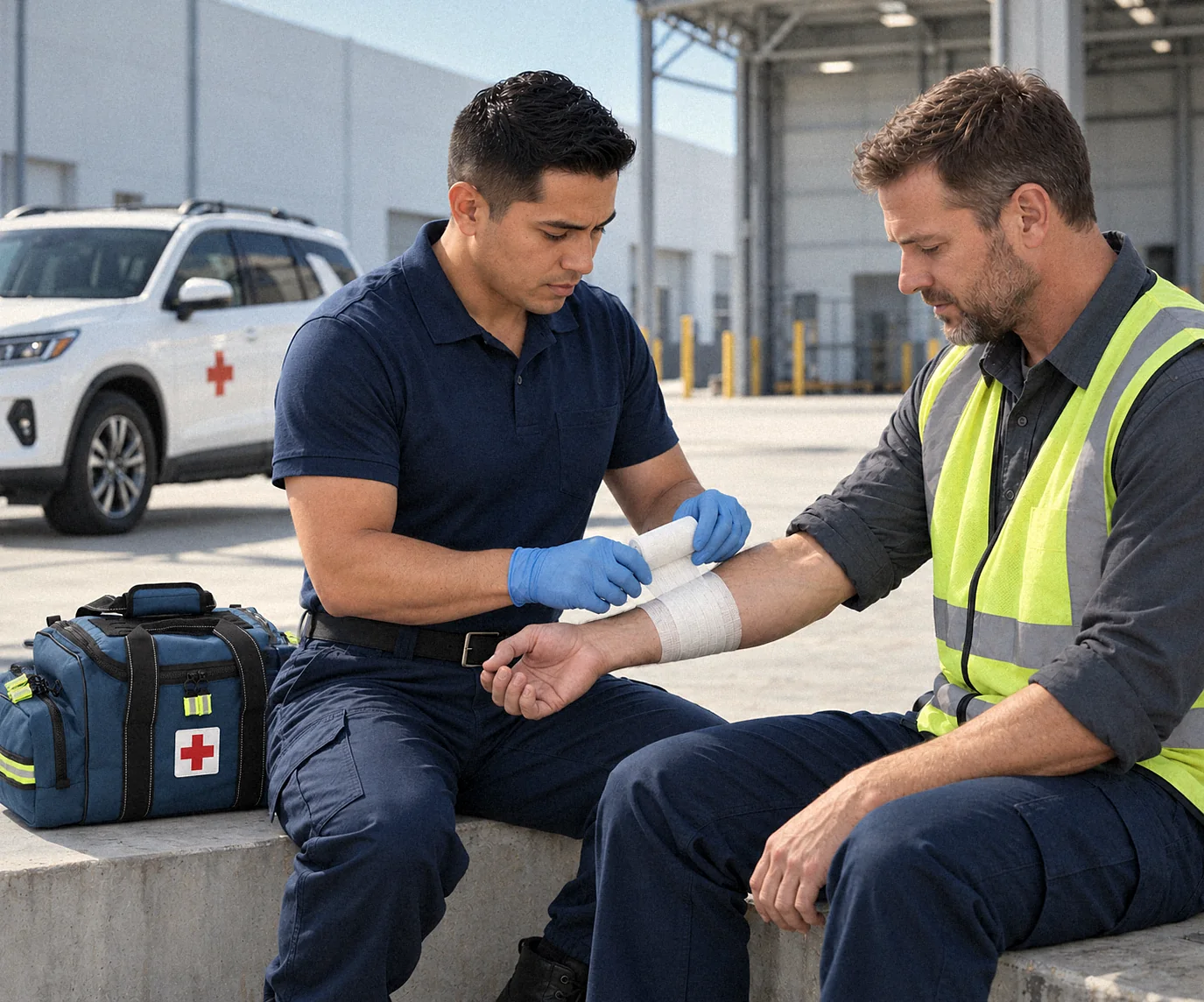
A first-aid technician arrived and assessed the finger, checking movement, sensation, and circulation, and looking for signs that could point to something more than first aid, like a possible fracture or a deeper cut to the nail bed. The technician appropriately cleaned the finger, then used a sterile instrument to drill a small hole in the nail, letting the trapped blood drain and relieving the pressure. The technician applied a sterile dressing and started cold therapy with a barrier between the cold and the skin.
The outcome
The pressure eased almost as soon as the blood drained. At the employer's direction, the employee continued working, and the crew finished the screen change before the maintenance window closed. No one had to leave the worksite.
Why it mattered
The employee received appropriate care right where they were, and the plant restarted on schedule. Instead of a long drive from a remote site to an off-site facility, a possible lengthy wait, and care that could turn a minor injury into a bigger deal, the injury was managed with first aid on the worksite.
This is a composite scenario based on the types of calls first-aid technicians handle. Details have been changed and don't describe any specific person or company. Every injury is different.